

How Technology is Changing the Process Serving Industry
Modern Technology in the Process Serving Industry

The process serving industry has traditionally relied on paper documents, physical travel, and manual communication. While these methods still play an important role today, technology is rapidly transforming how process servers operate, communicate with clients, and manage cases. From digital tools to online marketing, technology is helping process serving businesses become faster, more efficient, and more competitive in an increasingly digital world.
For process servers who want to grow their business and stay ahead of competitors, understanding these technological changes is becoming more important than ever.
Faster Communication and Real-Time Updates
One of the biggest improvements technology has brought to the process serving industry is faster communication. In the past, updates were often provided through phone calls, emails, or printed reports after service attempts were completed. Today, many process servers use mobile apps and cloud-based systems that allow clients to receive real-time updates instantly.
Attorneys, law firms, and agencies now expect faster communication and better transparency. Technology allows process servers to upload status updates, photos, GPS locations, and proof of service directly from the field. This not only improves efficiency but also builds trust with clients who want immediate information about their cases.
GPS Tracking and Digital Documentation
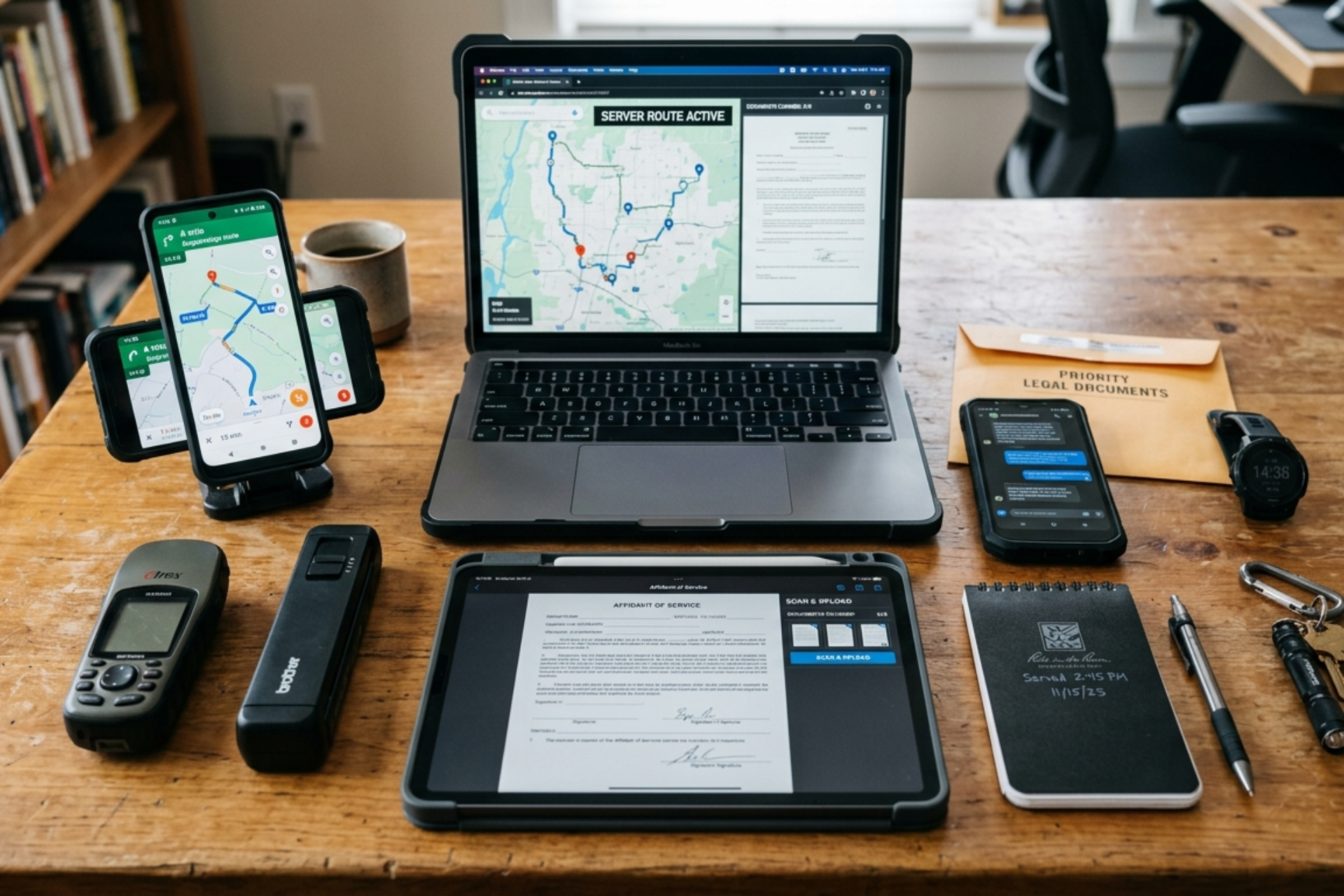
GPS technology has become a valuable tool for process servers. Many modern process serving platforms now include GPS tracking features that document the exact location and time of service attempts. This helps provide additional verification and accuracy, especially in contested cases.
Digital documentation also reduces paperwork and simplifies record keeping. Instead of storing physical files, process servers can securely organize affidavits, notes, images, and case details online. This makes it easier to retrieve information when needed and helps businesses operate more efficiently.
Mobile Technology Improves Field Efficiency
Smartphones and tablets have significantly changed how process servers work in the field. With mobile technology, servers can access assignments, maps, contact information, and client instructions directly from their devices.
Route optimization tools also help process servers save time and fuel costs by planning more efficient travel routes. This allows businesses to complete more jobs in less time while improving overall productivity.
Additionally, electronic signatures and digital forms reduce delays and simplify the completion of important documents.
Online Presence is Now Essential
Technology has not only changed field operations—it has also transformed how process servers attract clients. In today’s digital environment, many attorneys and law firms search online when looking for reliable process servers.
Businesses without a professional website or strong online presence may struggle to compete. A well-designed website helps establish credibility, showcase services, and generate new leads. Search engine optimization (SEO), Google Business Profiles, and local search visibility have become important marketing tools for process serving companies looking to grow.
Working with professional web design companies like Websy can help process serving businesses create modern, SEO-friendly websites that improve online visibility and generate more qualified leads. Having a professional online presence not only builds trust with potential clients but also helps businesses stand out in a competitive legal support industry.
Educational blog content, client testimonials, and service pages can also help process servers build authority and trust online.
Automation is Reducing Administrative Work
Administrative tasks can consume a large amount of time for process serving businesses. Fortunately, automation tools are helping reduce repetitive work and improve organization.
Modern software can automate:
- Appointment scheduling
- Invoice generation
- Case tracking
- Client notifications
- Payment processing
- Report creation
By automating routine tasks, process servers can spend more time focusing on serving documents and managing client relationships instead of handling paperwork manually.
Data Security and Professionalism Matter More Than Ever
As businesses move toward digital systems, protecting sensitive information has become increasingly important. Process servers often handle confidential legal documents, making secure storage and communication essential.
Professional process serving companies now invest in secure websites, encrypted systems, and reliable cloud storage to protect client information. Businesses that prioritize data security and professionalism are more likely to build long-term trust with law firms and corporate clients.
The Future of Process Serving
Technology will continue to shape the future of the process serving industry. Artificial intelligence, advanced automation, and digital case management tools are likely to become even more common in the coming years.
However, while technology improves efficiency, the human side of process serving remains essential. Professionalism, persistence, communication skills, and legal knowledge will always play a major role in successful service of process.
The businesses that succeed long term will be the ones that combine modern technology with reliable customer service and industry expertise.
Final Thoughts
Technology is changing the process serving industry in many positive ways. From real-time updates and mobile tools to online marketing and automation, modern solutions are helping process servers work more efficiently and compete in a digital-first world.
For process serving businesses that want to continue growing, adapting to new technology is no longer optional—it’s becoming a necessary part of staying relevant and competitive in the legal support industry.