How to Become a Process Server in Florida
Step-by-Step Guide to Starting Your Process Serving Career in Florida

If you are interested in a legal support career with flexibility and steady demand, becoming a process server in Florida can be a great opportunity. Process servers play an important role in the legal system by delivering court documents such as summonses, subpoenas, complaints, and other legal notices to individuals involved in legal proceedings.
Florida has specific requirements for becoming a special or certified process server, understanding these steps beforehand can help you start your career faster and avoid unnecessary delays. This guide walks through the qualifications, training process, certification requirements, and where to find official training schedules in Florida.
What Does a Process Server Do?
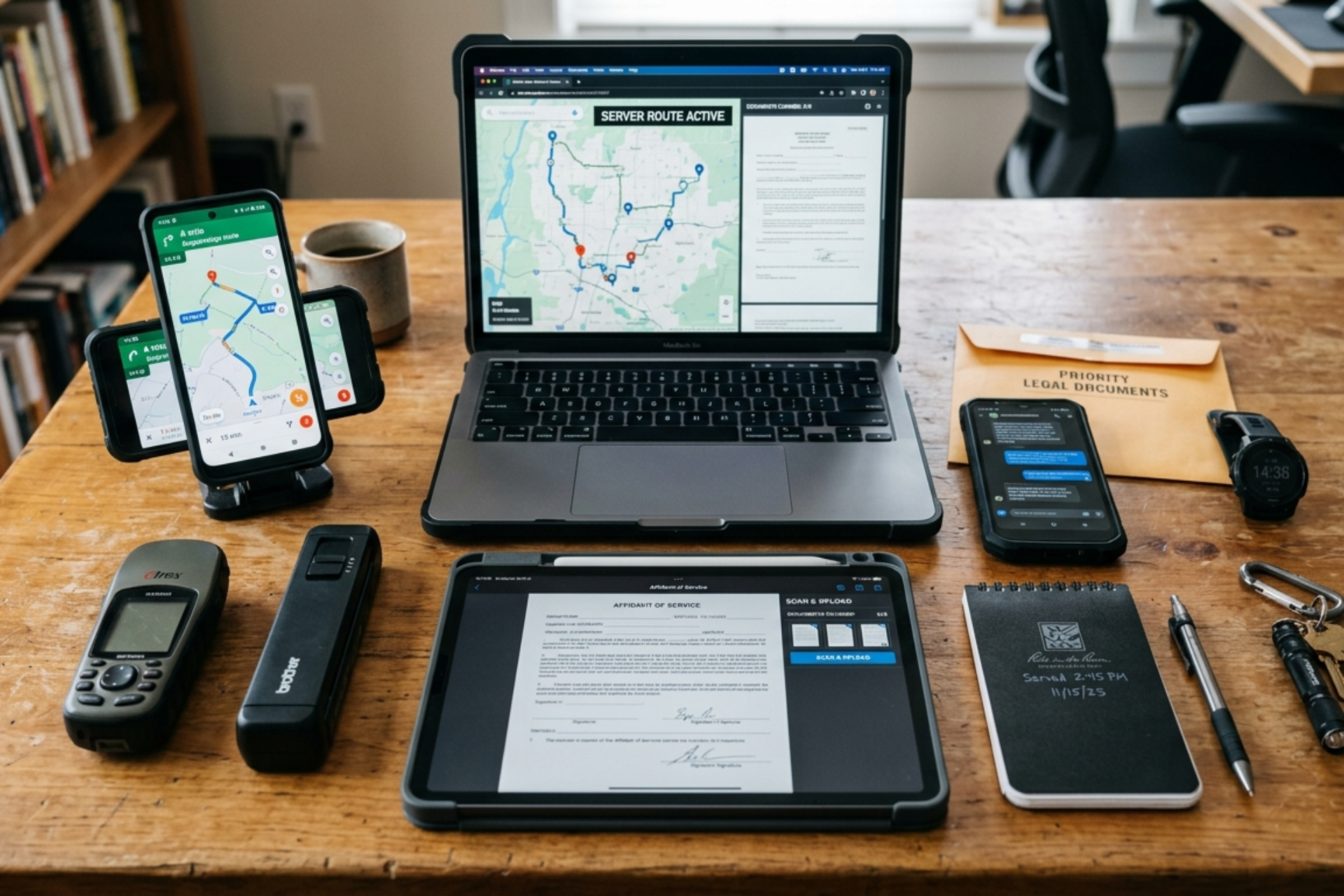
A process server is responsible for delivering legal documents to defendants, witnesses, or other parties involved in court cases. Proper service of process ensures that individuals are legally notified about court actions and upcoming hearings.
Typical responsibilities may include:
- Delivering legal documents in person
- Completing proof of service
- Maintaining accurate service records
- Following state statues and rules of civil procedure
Process servers may work independently or with legal support companies.
Florida Requirements for Process Servers
In Florida, process server requirements can vary depending on the county where you plan to work. Most counties require certification through the local sheriff’s office or judicial circuit.
Generally, applicants must:
- Be at least 18 years old
- Have no felony convictions
- Pass a background check
- Complete approved training
- Pass a certification exam
- Submit an application and fees
Some counties may have additional requirements, so it is important to check with your local jurisdiction before applying.
Complete an Approved Training Program
One of the most important steps in becoming a process server in Florida is completing an approved training course. These courses help applicants understand Florida statutes, civil procedure rules, ethics, and proper service techniques.
A highly recognized resource for training and certification information is the Florida Association of Professional Process Servers (FAPPS). FAPPS provides educational resources, industry updates, and approved training opportunities for aspiring process servers throughout Florida.
You can also view the latest training dates and registration information through the
official FAPPS Training Schedule page:
Training courses are designed to prepare applicants for certification exams and help new process servers understand the legal responsibilities involved in serving documents correctly.
Pass the Certification Exam
After completing the education course, many Florida counties require applicants to pass a written exam. The exam typically covers:
- Florida civil procedure rules
- Florida statutes on service of process
- Proper documentation procedures
- Court filing requirements
Passing the exam demonstrates that you understand the legal standards required to perform process serving professionally and lawfully.
Submit Your Application
Once training and testing are completed, you will typically need to submit an application to your local sheriff’s office or court administrative office.
The application process may include:
- Fingerprinting
- Background screening
- Proof of training completion
- Exam results
- Application fees
- Bond or insurance requirements
Approval times vary depending on the county.
Build Experience and Professional Connections
After certification, many new process servers begin working with established legal support companies to gain experience. Building relationships with attorneys, law firms, and court professionals can help you grow your client base over time.
Joining professional organizations like FAPPS also helps process servers stay informed about industry changes, networking opportunities, and continuing education resources.
Is Becoming a Process Server in Florida Worth It?
For individuals who enjoy independent work, flexible schedules, and legal industry environments, process serving can be a rewarding career path. The demand for reliable process servers continues as courts, attorneys, and businesses require accurate and timely document delivery services.
With proper training, certification, and professionalism, process serving can provide long-term opportunities in Florida’s legal support industry.
Final Thoughts
Becoming a process server in Florida requires training, certification, and a strong understanding of legal procedures. By following your county’s requirements and completing approved education programs, you can begin building a successful career in the legal support field.
To stay updated on official training opportunities and registration schedules, visit the
Florida Association of Professional Process Servers website and review the
latest training schedule here.